Block Wall Installation in Fairfield County, CT
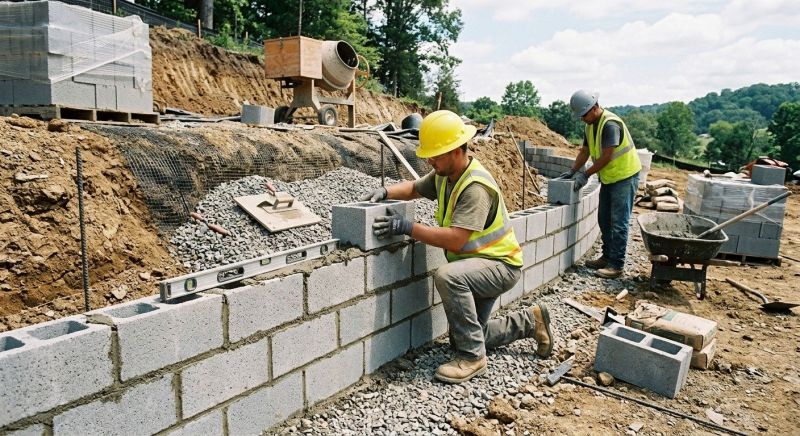
Block wall installation services involve constructing durable, sturdy walls using concrete blocks or cinder blocks, often for purposes such as defining property boundaries, creating privacy enclosures, or enhancing landscape features. These projects can range from simple garden borders to full property perimeter walls, retaining walls for landscaping support, or decorative features that add aesthetic appeal. Property owners typically want to understand the different types of block materials available, the suitability of block walls for their specific needs, and the basic considerations involved in planning and designing these structures.
Before requesting block wall installation, property owners should consider factors like the intended purpose of the wall, property layout, and any local regulations or restrictions. It’s helpful to understand the approximate height and length of the wall, the type of blocks best suited for the project, and whether additional features such as drainage or reinforcement are necessary. Clarifying these details can ensure the project aligns with property goals and that the installation process proceeds smoothly.
Many property owners in Fairfield County, CT look into Block Wall Installation for repairs, replacements, upgrades, and appearance-related improvements.
Residential Block Walls
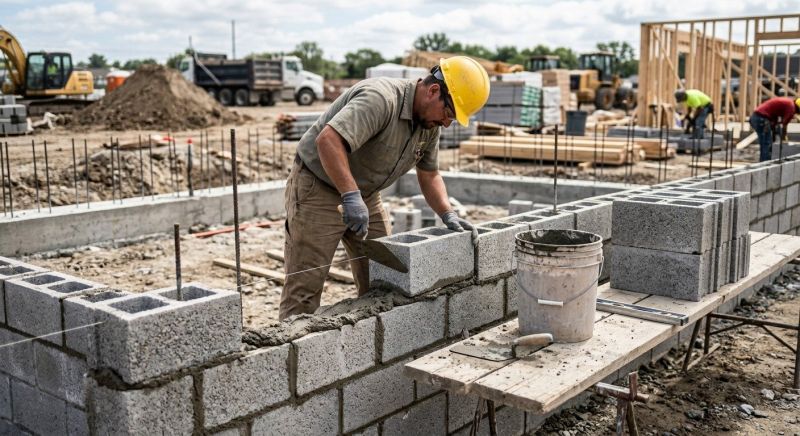
Enhance privacy and define outdoor spaces around fairfield county homes with durable block walls.
Commercial Boundary Solutions
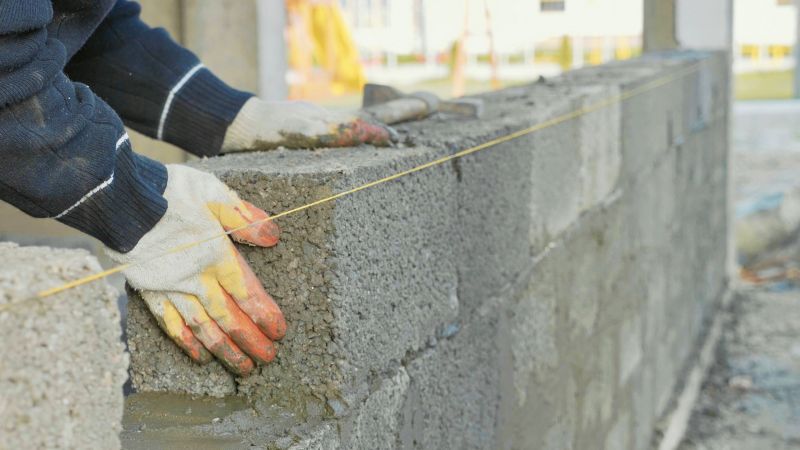
Secure commercial properties and create clear boundaries with sturdy block wall installations.
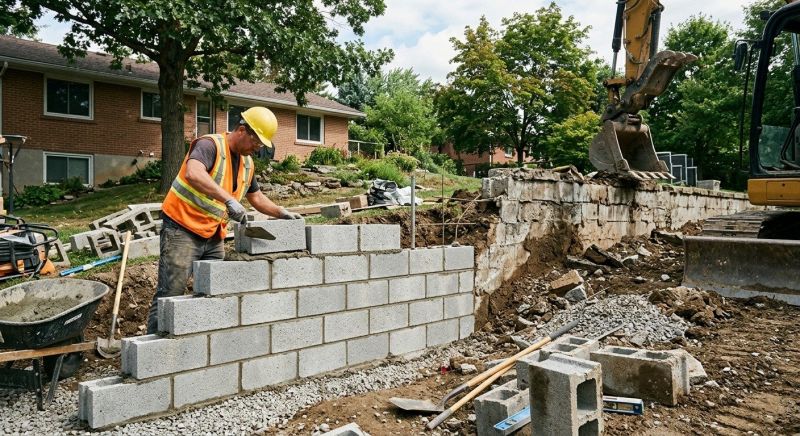
Custom Design Options
Choose from various styles and finishes to complement the aesthetic of any property in fairfield county.
Block Wall Installation in Fairfield County, CT

Block wall installation services involve constructing durable, sturdy walls using concrete blocks or cinder blocks, often for purposes such as defining property boundaries, creating privacy enclosures, or enhancing landscape features. These projects can range from simple garden borders to full property perimeter walls, retaining walls for landscaping support, or decorative features that add aesthetic appeal. Property owners typically want to understand the different types of block materials available, the suitability of block walls for their specific needs, and the basic considerations involved in planning and designing these structures.
Before requesting block wall installation, property owners should consider factors like the intended purpose of the wall, property layout, and any local regulations or restrictions. It’s helpful to understand the approximate height and length of the wall, the type of blocks best suited for the project, and whether additional features such as drainage or reinforcement are necessary. Clarifying these details can ensure the project aligns with property goals and that the installation process proceeds smoothly.
Many property owners in Fairfield County, CT look into Block Wall Installation for repairs, replacements, upgrades, and appearance-related improvements.
Common Block Wall Installation Jobs
Residential boundary walls - define property lines and enhance privacy around homes.
Retaining walls - support soil and prevent erosion on sloped landscapes.
Garden and decorative walls - add aesthetic appeal and structure to outdoor spaces.
Security walls - improve safety and create a barrier against intruders.
Commercial perimeter walls - establish clear property boundaries for business properties.
Repair and restoration - restore damaged or aging block walls to maintain stability and appearance.
Block Wall Installation Questions
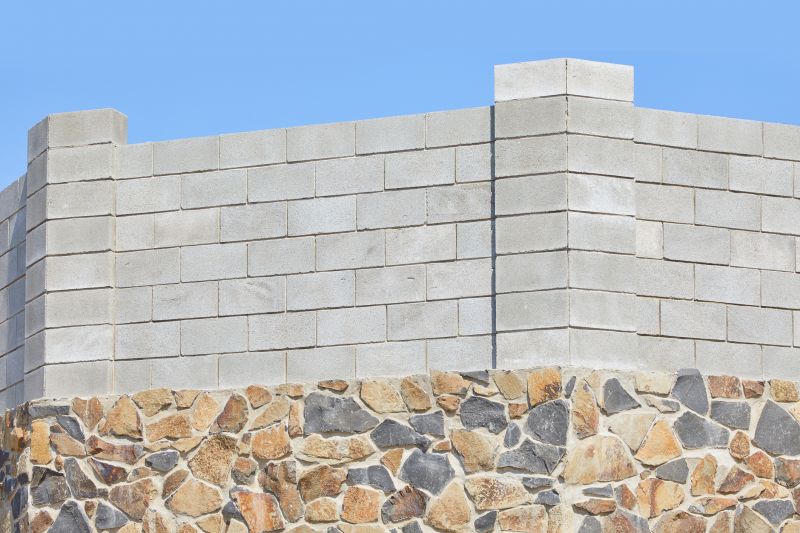
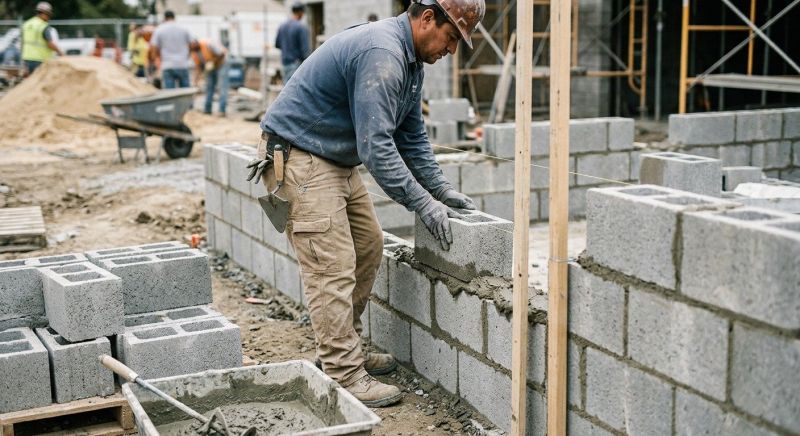
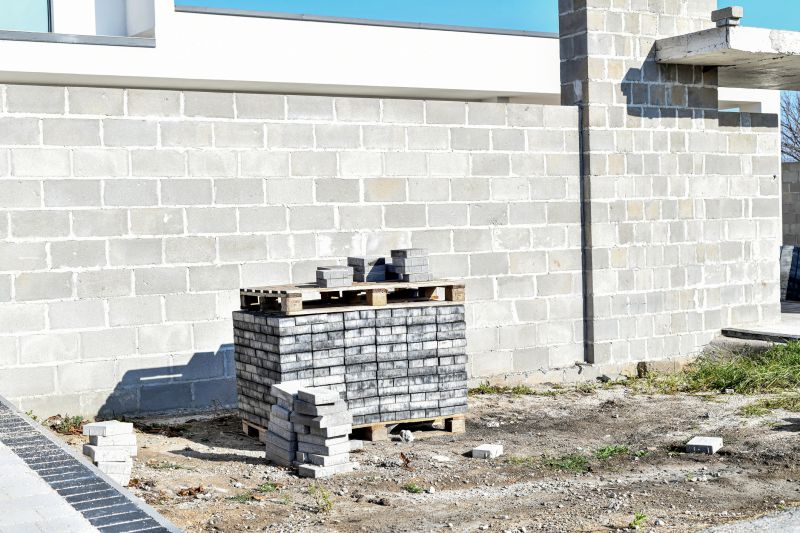
What types of projects are suitable for block wall installation? Block walls are ideal for property boundaries, garden enclosures, retaining walls, and decorative features around the landscape.
What materials are commonly used for block walls? Common materials include concrete blocks, cinder blocks, and decorative stone blocks, chosen for durability and aesthetic appeal.
Are block walls suitable for retaining soil? Yes, block walls are often used as retaining walls to hold back soil and prevent erosion on sloped properties.
What should property owners consider before installing a block wall? Consider the wall’s purpose, location, soil type, and local building codes to ensure proper installation and longevity.
Request Block Wall Installation in Fairfield County, CT
Use the quote form on this page to share the basics of your project and request more information for the type of work you need.